Natural Hairline Design - How Surgeons Plan Hair Transplants
Natural Hairline Design - How Surgeons Plan Hair Transplants
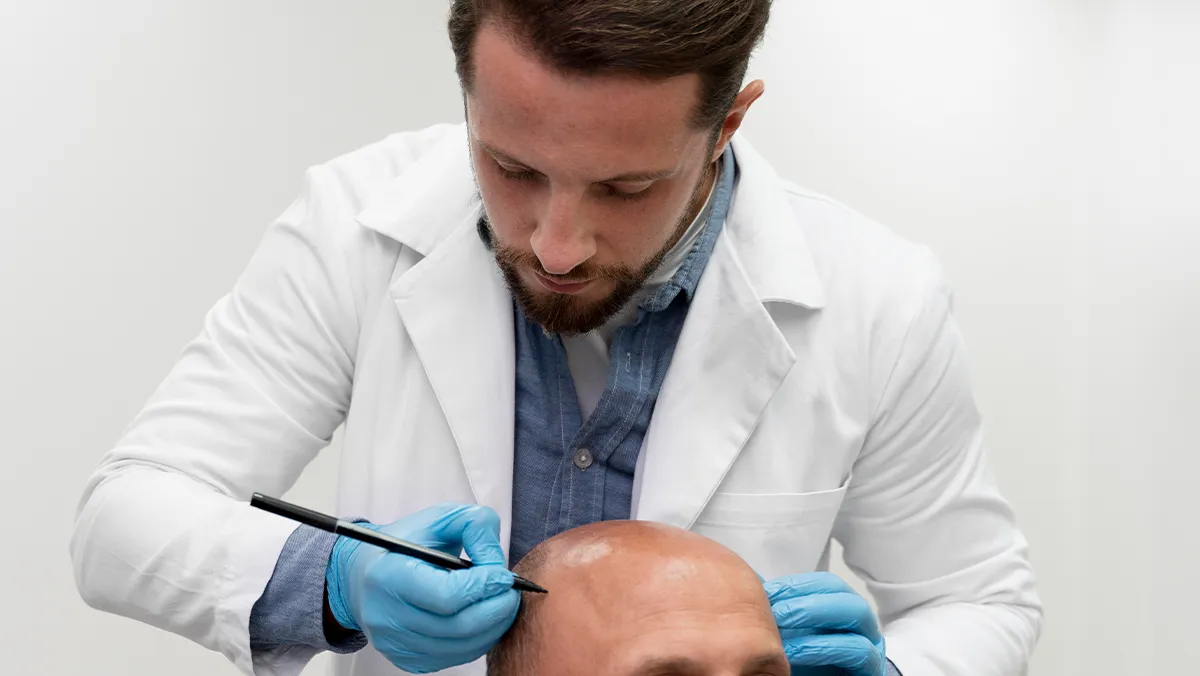
One of the most important factors in a successful hair transplant is a natural-looking hairline. Even with good hair density, an improperly designed hairline can make results look artificial and unnatural. Hairline design is both a science and an art that requires experience, precision, and an understanding of facial proportions. At Luxor Hospital, hair transplant planning focuses on creating hairlines that look natural, age-appropriate, and long-lasting.
This blog explains how surgeons design natural hairlines for hair transplant surgery and why this step is crucial for realistic results.
Why Hairline Design Matters
- Frames the face and enhances overall appearance
- Matches facial proportions
- Ensures age-appropriate positioning
- Allows for future hair loss progression
An aggressively low or straight hairline may look unnatural over time.
Understanding a Natural Hairline
- Slight irregularity
- Soft, feathered edges
- Gradual density increase from front to back
Experienced surgeons recreate these natural characteristics during planning.
Factors Considered in Hairline Design
Facial Proportions: Analysis of face shape, forehead height, and symmetry to create balanced results.
Age & Future Hair Loss: Conservative planning ensures long-term natural appearance.
Gender Differences: Male and female hairlines differ in shape and positioning.
Donor Hair Availability: Responsible graft usage ensures sustainable density.
Hairline Zones in Transplant Planning
- Leading edge: Single-hair grafts for softness
- Transition zone: Gradual density increase
- Frontal zone: Higher density for fullness
Direction and Angle of Hair Growth
Each graft is implanted at the correct angle and direction to match natural hair growth. Proper angulation ensures natural appearance, easy styling, and realistic movement.
Customization for Each Patient
- Ethnicity and hair texture
- Forehead size
- Density expectations
- Personal preferences
Digital planning and consultation help align goals with medically sound design.
Common Mistakes in Hairline Design
- Straight or sharp hairlines
- Hairline placed too low
- Incorrect graft direction
- Excessive frontal density
Why Choose Luxor Hospital?
- Experienced hair transplant surgeons
- Advanced FUE & FUT techniques
- Artistic and medically planned hairlines
- Personalized treatment approach
- Focus on long-term natural results
Final Thoughts
Natural hairline design is the foundation of a successful hair transplant. Thoughtful planning and expert execution ensure results that enhance appearance and stand the test of time.
Consult the specialists at Luxor Hospital to understand how expert hairline design can make the difference in achieving confident, natural results.
