Squint Eye Treatment - Importance of Early Diagnosis
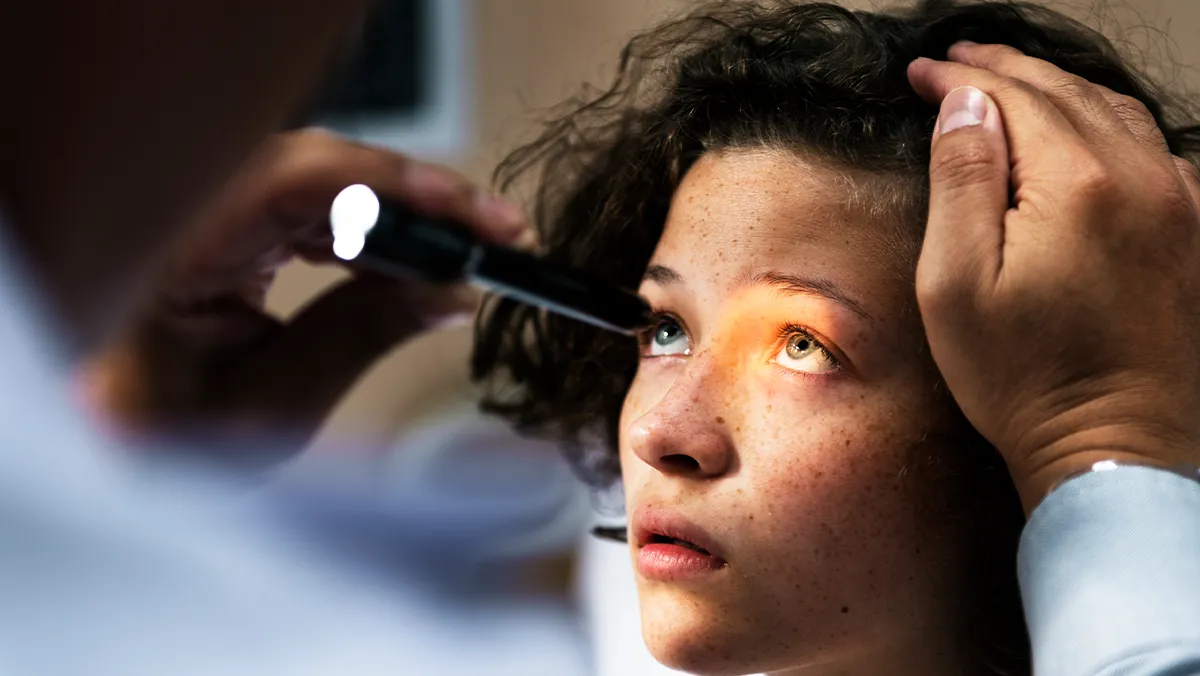
Squint Eye Treatment - Importance of Early Diagnosis
A squint eye, medically known as strabismus, is a condition where the eyes do not align properly and point in different directions. One eye may look straight ahead while the other turns inward, outward, upward, or downward. Squint eye can occur in children or adults and, if left untreated, may lead to permanent vision problems. At Luxor Hospital, early diagnosis and timely treatment of squint eye are emphasized to protect vision and improve eye coordination.
This blog explains why early diagnosis of squint eye is crucial and the available treatment options.
What Is a Squint Eye?
A squint eye occurs when the muscles that control eye movement fail to work together properly. As a result, the eyes do not focus on the same point at the same time. This lack of coordination affects depth perception and binocular vision.
- Constant or intermittent
- Present at birth or acquired later
- Visible or subtle
Common Causes of Squint Eye
- Weak or imbalanced eye muscles
- Refractive errors (long-sightedness or short-sightedness)
- Genetic factors
- Premature birth
- Neurological conditions
- Eye injuries or trauma
- Amblyopia (lazy eye)
Why Early Diagnosis Is Important
Early diagnosis is critical, especially in children. If untreated, the brain may ignore signals from the misaligned eye, leading to lazy eye and permanent vision loss.
- Proper visual development
- Prevention of lazy eye
- Better depth perception
- Improved eye coordination
- Higher treatment success rates
Signs and Symptoms
- Eyes not moving together
- One eye drifting inward or outward
- Frequent head tilting
- Double vision
- Eye strain or headaches
Diagnosis
- Detailed eye examination
- Alignment and movement assessment
- Vision testing
- Refraction test
Treatment Options
Glasses: Correct refractive errors.
Patching Therapy: Strengthens weaker eye.
Eye Exercises: Improve coordination.
Squint Surgery: Adjusts eye muscles for proper alignment.
Why Choose Luxor Hospital?
- Experienced ophthalmologists
- Advanced diagnostics
- Pediatric & adult care
- Safe surgical techniques
- Comprehensive follow-up
Final Thoughts
Squint eye is a medical condition that can permanently affect vision if ignored. Early diagnosis and treatment are essential to preserve eyesight and improve quality of life.
