Hair Loss in Women - Medical Causes & Treatment Options
Hair Loss in Women - Medical Causes & Treatment Options
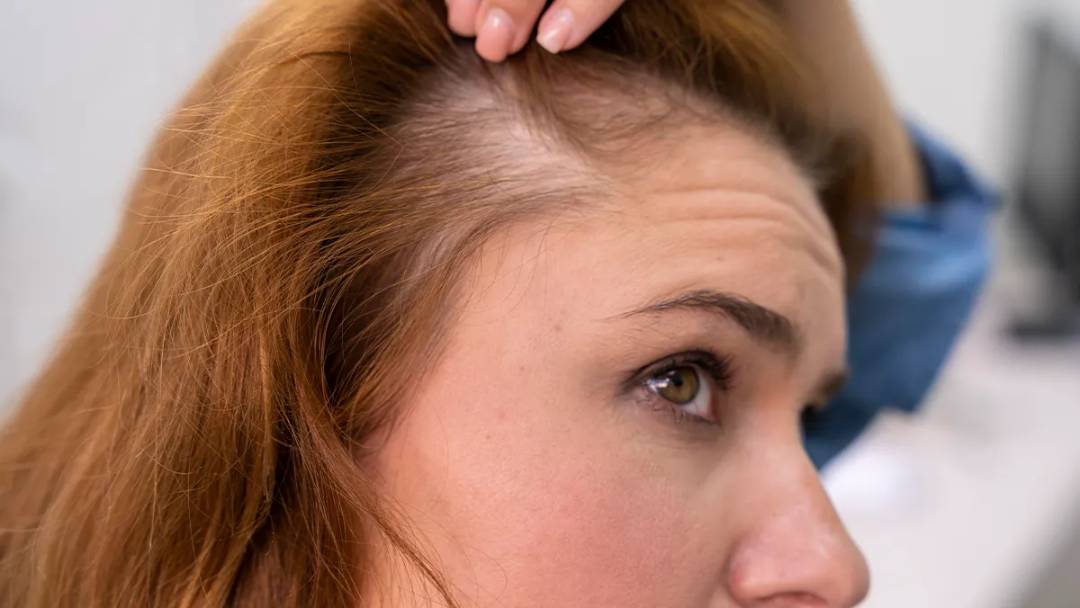
Hair loss in women is more common than many people realize and can be emotionally distressing. Unlike men, women often experience diffuse thinning rather than complete bald patches, making the condition harder to detect in its early stages. Hair loss can significantly affect confidence, self-image, and quality of life. At Luxor Hospital, hair loss in women is treated with a medical, evidence-based approach focused on identifying the root cause and offering effective treatment options.
This blog explains the medical causes of hair loss in women and the available treatment solutions.
Understanding Female Hair Loss
Female hair loss, medically known as female pattern hair loss, occurs when hair follicles shrink over time, leading to thinner and shorter hair strands. While some hair shedding is normal, excessive or prolonged hair fall requires medical evaluation.
Hair loss in women can be temporary or progressive, depending on the underlying cause.
Common Medical Causes of Hair Loss in Women
Hormonal Imbalance
Hormonal changes due to pregnancy, childbirth, menopause, or polycystic ovary syndrome (PCOS) can disrupt the hair growth cycle and cause hair thinning.
Nutritional Deficiencies
Deficiencies in iron, protein, vitamin D, vitamin B12, and other essential nutrients often lead to excessive hair fall and weak hair strands.
Stress and Lifestyle Factors
Physical or emotional stress, rapid weight loss, poor sleep, and unhealthy lifestyle habits can trigger a condition known as telogen effluvium, where hair enters the shedding phase prematurely.
Thyroid Disorders
Both hypothyroidism and hyperthyroidism are known to cause hair thinning and hair texture changes in women.
Genetic Factors
A family history of hair loss increases the likelihood of female pattern hair thinning, especially along the crown and parting line.
Medical Conditions and Medications
Autoimmune disorders, scalp infections, and certain medications such as chemotherapy drugs or hormonal treatments can also lead to hair loss.
Diagnosing Hair Loss in Women
Accurate diagnosis is essential for successful treatment. At Luxor Hospital, evaluation includes:
-
Detailed medical and menstrual history
-
Scalp and hair examination
-
Blood tests to detect nutritional or hormonal deficiencies
-
Assessment of hair density and growth patterns
This comprehensive approach helps tailor treatment to each patient’s needs.
Treatment Options for Female Hair Loss
Medical Management
Treatment may include topical or oral medications that promote hair growth and reduce further hair loss, prescribed under medical supervision.
Nutritional Correction
Addressing vitamin and mineral deficiencies plays a crucial role in restoring healthy hair growth.
PRP Therapy
Platelet-Rich Plasma (PRP) therapy stimulates hair follicles using the patient’s own growth factors, improving hair thickness and strength.
Lifestyle and Stress Management
Improving sleep patterns, managing stress, and adopting healthy habits support long-term hair health.
Hair Transplant Surgery
In advanced cases with significant hair thinning, hair transplant surgery may be recommended to restore density in affected areas.
When Should Women Seek Medical Help?
You should consult a hair specialist if:
-
Hair fall persists for more than 3–4 months
-
Hair thinning becomes noticeable along the parting or crown
-
There is sudden or excessive hair shedding
-
Hair loss is associated with hormonal or health changes
Early intervention improves treatment success and prevents progression.
Why Choose Luxor Hospital for Women’s Hair Loss Treatment?
Luxor Hospital offers:
-
Experienced dermatologists and hair restoration specialists
-
Accurate medical diagnosis
-
Personalized treatment plans
-
Advanced PRP and hair restoration techniques
-
Ethical guidance with realistic expectations
Our focus is on treating the cause, not just the symptom.
Final Thoughts
Hair loss in women is a medical condition that requires proper diagnosis and targeted treatment. With the right approach, it is often manageable and reversible, especially when addressed early.
If you are experiencing hair loss, consult the experts at Luxor Hospital for comprehensive evaluation and effective, personalized care aimed at restoring both hair health and confidence.
