Blepharoplasty for Tired Eyes - Surgical & Non-Surgical Options
Blepharoplasty for Tired Eyes - Surgical & Non-Surgical Options
The eyes are often the first facial feature to show signs of aging. Droopy eyelids, under-eye bags, and excess skin can make a person look tired, older, or stressed—even when they feel perfectly healthy. Blepharoplasty, also known as eyelid surgery, is an effective solution to rejuvenate the eye area. At Luxor Hospital, both surgical and non-surgical options are available to restore a refreshed, youthful appearance while maintaining natural results.
This blog explains blepharoplasty, its benefits, and the available treatment options for tired-looking eyes.
What Is Blepharoplasty?
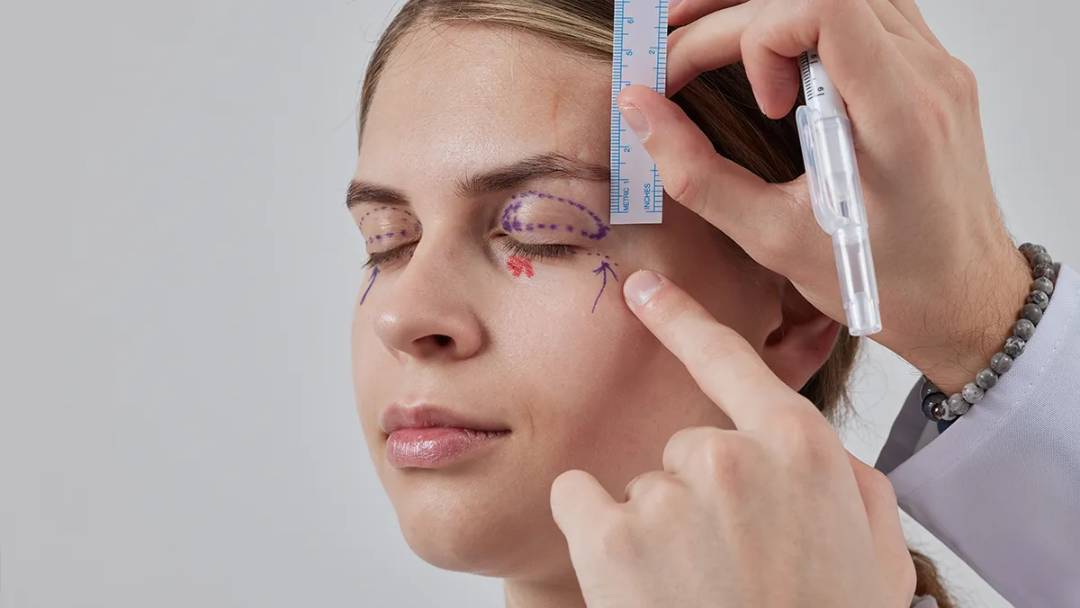
Blepharoplasty is a cosmetic eyelid procedure that removes excess skin, fat, and sometimes muscle from the upper and/or lower eyelids. It improves the appearance of drooping upper eyelids and puffy under-eye bags. In some cases, it also enhances vision by removing skin that obstructs the visual field.
Blepharoplasty can be performed on:
-
Upper eyelids
-
Lower eyelids
-
Both upper and lower eyelids together
Causes of Tired or Droopy Eyes
Several factors contribute to eyelid aging and tired eyes, including:
-
Natural aging and skin laxity
-
Loss of collagen and elasticity
-
Fat displacement around the eyes
-
Genetics
-
Chronic eye strain and lifestyle factors
These changes may affect appearance as well as eye comfort and confidence.
Surgical Blepharoplasty Options
Upper Eyelid Surgery
Upper blepharoplasty removes excess skin and fat that cause eyelid drooping. It creates a smoother eyelid contour and can improve peripheral vision in severe cases.
Lower Eyelid Surgery
Lower blepharoplasty addresses under-eye bags and puffiness by repositioning or removing fat deposits. It smoothens the transition between the lower eyelid and cheek area.
Surgical blepharoplasty offers long-lasting and dramatic improvement, especially for moderate to severe eyelid concerns.
Non-Surgical Options for Tired Eyes
For patients with mild eyelid aging or those not ready for surgery, non-surgical treatments may be recommended, such as:
-
Dermal fillers to reduce under-eye hollows
-
Botulinum injections for fine lines and crow’s feet
-
Skin tightening treatments using radiofrequency or laser technology
These treatments offer subtle improvement with minimal downtime but do not replace surgery in advanced cases.
Who Is an Ideal Candidate for Blepharoplasty?
You may be a good candidate if you:
-
Have drooping upper eyelids or puffy under-eyes
-
Look constantly tired or aged due to eyelid changes
-
Are in good general health
-
Have realistic expectations
-
Want long-term rejuvenation of the eye area
A detailed consultation at Luxor Hospital helps determine the most suitable option.
Recovery and Results
After surgical blepharoplasty, mild swelling and bruising are normal and usually subside within 1–2 weeks. Most patients return to normal activities within a short period. Results appear natural, refreshed, and long-lasting.
Non-surgical treatments require little to no downtime, though results may need maintenance.
Why Choose Luxor Hospital for Blepharoplasty?
Luxor Hospital offers:
-
Experienced cosmetic and oculoplastic surgeons
-
Personalized treatment planning
-
Advanced surgical techniques
-
Safe clinical environment
-
Comprehensive pre- and post-treatment care
Our focus is on natural enhancement and patient safety.
Final Thoughts
Blepharoplasty is a highly effective way to restore youthful, alert-looking eyes. Whether through surgery or non-surgical treatments, the right approach depends on the severity of eyelid changes and individual goals.
If tired-looking eyes are affecting your confidence, consult the specialists at Luxor Hospital to explore safe and effective eyelid rejuvenation options.
