Squint in Children – Early Detection and Treatment for Lifelong Vision Health
Squint in Children – Early Detection and Treatment for Lifelong Vision Health
Introduction
A child’s eyes play a crucial role in their growth, learning, and overall development. When the eyes do not align properly — a condition known as squint or strabismus — it can affect not only appearance but also vision development.
At Luxor Hospital, our pediatric ophthalmology specialists emphasize the importance of early detection and treatment of squint to ensure proper eye alignment, healthy vision, and confident social interactions.
What Is a Squint (Strabismus)?
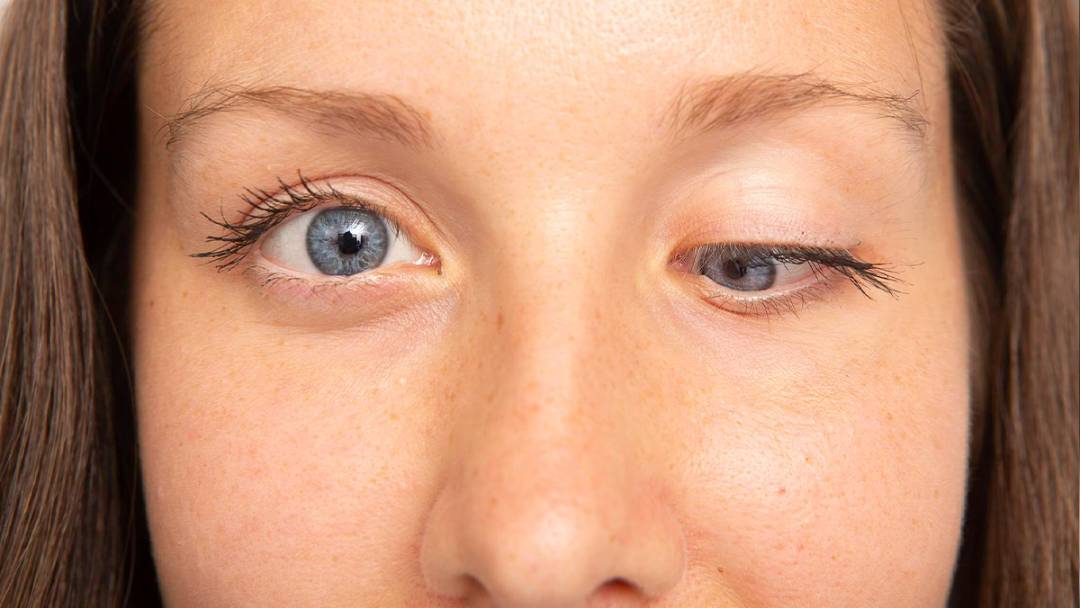
A squint occurs when both eyes do not focus on the same point simultaneously. One eye may turn inward, outward, upward, or downward while the other focuses correctly.
This misalignment disrupts binocular vision (the ability of both eyes to work together), leading to potential issues such as lazy eye (amblyopia) or depth perception problems if left untreated.
Types of Squint
-
Convergent Squint (Esotropia) – Eye turns inward
-
Divergent Squint (Exotropia) – Eye turns outward
-
Vertical Squint – Eye turns upward or downward
-
Intermittent Squint – Misalignment occurs occasionally
-
Constant Squint – Persistent misalignment of one or both eyes
Causes of Squint in Children
Several factors can lead to the development of squint in children, including:
-
Genetic predisposition (family history of squint or lazy eye)
-
Refractive errors like long-sightedness or short-sightedness
-
Weak eye muscles or nerve signals controlling eye movement
-
Premature birth or low birth weight
-
Neurological conditions or eye injuries
Signs Parents Should Watch For
Early detection is the key to successful treatment. Watch for:
-
One eye drifting inward or outward
-
Frequent blinking or eye rubbing
-
Tilting or turning the head while focusing
-
Difficulty with depth perception
-
Complaints of double vision or eye strain
If you notice any of these signs, a prompt evaluation by an eye specialist at Luxor Hospital is strongly recommended.
Diagnosis at Luxor Hospital
Our pediatric ophthalmologists perform a comprehensive eye examination, which may include:
-
Vision assessment to measure clarity and balance between both eyes
-
Refraction test to check for underlying power issues
-
Ocular alignment and muscle testing
-
Retinal and corneal evaluation to rule out other eye conditions
Using advanced diagnostic tools, we ensure an accurate understanding of the squint’s cause and severity before recommending treatment.
Treatment Options for Squint in Children
1. Corrective Glasses
For children with refractive errors, glasses alone may align the eyes effectively, especially in cases of accommodative squint (caused by focusing effort).
2. Eye Exercises (Orthoptics)
Specially designed exercises help strengthen eye muscles and improve coordination between both eyes.
3. Patching Therapy
If one eye is weaker (lazy eye), patching the stronger eye encourages the weaker eye to work harder, improving vision balance.
4. Prism Therapy
Prism lenses are sometimes used in glasses to correct mild alignment issues and help the eyes work together comfortably.
5. Squint Surgery
When non-surgical methods are insufficient, surgical correction is performed to reposition or strengthen specific eye muscles.
-
Procedure Time: 30–60 minutes under general anesthesia
-
Hospital Stay: Usually day-care
-
Recovery: Quick, with visible improvement in eye alignment
Luxor Hospital’s surgeons use microsurgical precision to ensure optimal alignment and minimal discomfort, even for very young patients.
Importance of Early Treatment
Treating squint early — ideally before the age of 7 — is crucial to prevent long-term complications such as:
-
Amblyopia (lazy eye)
-
Loss of depth perception
-
Permanent vision imbalance
-
Psychological impact due to visible misalignment
Early intervention ensures better visual development and boosts your child’s confidence as they grow.
Why Choose Luxor Hospital for Squint Treatment
-
Specialized Pediatric Ophthalmologists – Experts trained to manage eye disorders in children with care and precision.
-
Advanced Diagnostic Technology – Ensures accurate assessment and individualized treatment.
-
Comprehensive Care – From non-surgical therapies to corrective surgeries under one roof.
-
Child-Friendly Environment – Designed to make young patients feel comfortable and safe.
-
Proven Success Rates – Consistent, lasting results with improved vision and alignment.
Conclusion
Squint in children is treatable — and the earlier it’s addressed, the better the outcome. At Luxor Hospital, our approach blends advanced eye care technology with gentle, child-centered attention to ensure every child enjoys clear, aligned, and healthy vision for life.
