Skin Texture Improvement - Medical vs Cosmetic Solutions
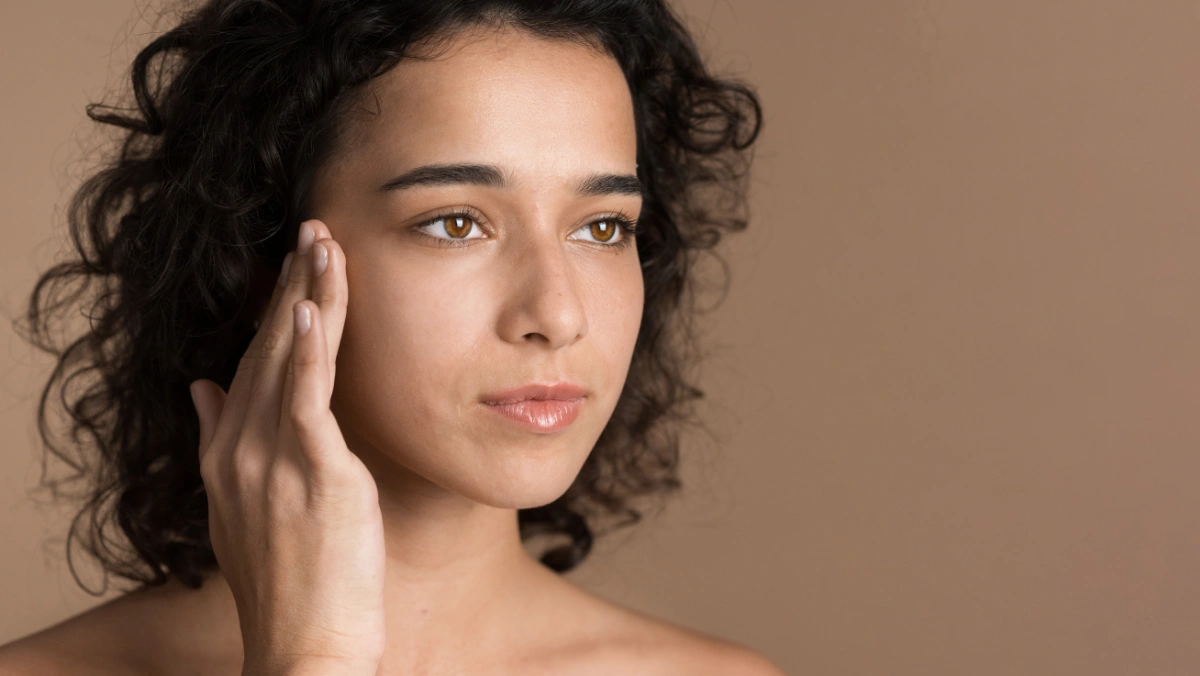
Skin Texture Improvement - Medical vs Cosmetic Solutions
Smooth, even skin texture is a key indicator of healthy and youthful skin. However, many people struggle with roughness, enlarged pores, acne scars, or uneven skin surface. While there are numerous skincare products available, not all solutions deliver the same results. Understanding the difference between medical and cosmetic treatments is essential for effective skin texture improvement. This blog explains the causes of uneven skin texture and the best treatment options available.
What Is Skin Texture?
Skin texture refers to the surface quality of the skin—how smooth, soft, and even it appears. Healthy skin typically has:
- Fine, even pores
- Smooth surface
- Balanced tone
When texture is uneven, the skin may feel rough or look dull.
Common Causes of Uneven Skin Texture
Acne and Acne Scars
Past breakouts can leave behind:
- Pitted scars
- Rough patches
Enlarged Pores
Excess oil and clogged pores can make skin appear uneven.
Dead Skin Buildup
Lack of exfoliation leads to:
- Dullness
- Rough surface
Sun Damage
UV exposure affects collagen and skin structure.
Aging
Loss of collagen leads to:
- Fine lines
- Irregular texture
Cosmetic Solutions for Skin Texture
Cosmetic treatments are suitable for mild concerns.
Exfoliation
- Removes dead skin cells
- Improves smoothness
Skincare Products
- Retinol
- Vitamin C
- Hydrating ingredients
These help improve skin quality over time.
Facials
Provide temporary improvement in skin appearance.
Medical Treatments for Skin Texture
Medical treatments target deeper layers of the skin and offer more significant results.
Chemical Peels
- Remove damaged skin layers
- Improve tone and texture
Laser Treatments
- Stimulate collagen
- Reduce scars and unevenness
Microneedling
- Boosts collagen production
- Improves acne scars and pores
Radiofrequency Treatments
- Tighten skin
- Improve overall texture
Medical vs Cosmetic – Key Differences
Feature Cosmetic Medical
Depth of action Surface level Deeper layers
Results Mild, temporary Long-lasting
Customization Limited Highly personalized
Choosing the right approach depends on the severity of the concern.
Who Should Consider Medical Treatment?
You may benefit from medical treatments if you:
- Have acne scars
- Notice significant uneven texture
- Want faster and long-lasting results
Results and Expectations
- Gradual improvement over sessions
- Smoother and more even skin
- Better overall skin quality
Consistency is key for best results.
Tips for Maintaining Smooth Skin
- Use sunscreen daily
- Follow a proper skincare routine
- Stay hydrated
- Avoid harsh products
- Maintain a healthy lifestyle
These habits support long-term skin health.
Final Thoughts
Improving skin texture requires the right combination of care and treatment. While cosmetic solutions can help with mild concerns, medical treatments provide deeper and more lasting improvements. If you are struggling with uneven skin texture, consult a specialist to determine the most suitable treatment plan for achieving smooth, healthy, and radiant skin.
