Post-Transplant Care – Ensuring Optimal Results for Hair Restoration
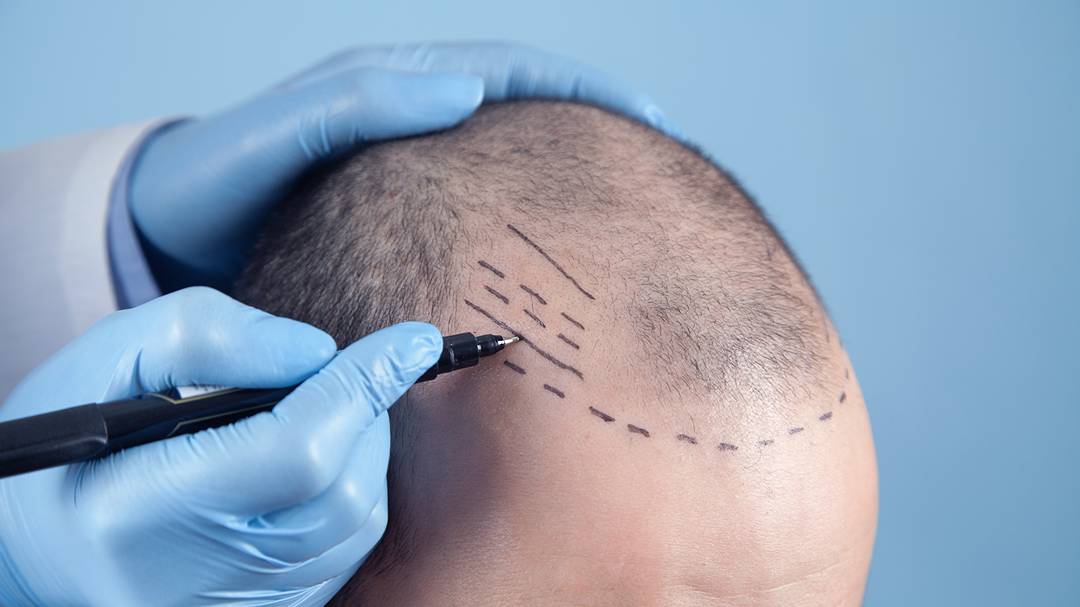
Post-Transplant Care – Ensuring Optimal Results for Hair Restoration
Introduction
Hair restoration surgery is a transformative solution for those experiencing hair thinning or baldness. At Luxor Hospital, we offer state-of-the-art hair transplant techniques such as FUE and FUT to restore natural hairlines and confidence. But the key to long-lasting and impressive results lies not only in the procedure itself—but in proper post-transplant care. Our experts guide every patient through a personalized recovery process to ensure successful outcomes and healthy hair growth.Why Post-Transplant Care Matters
While the transplant process is crucial, the healing and growth that follow are equally important. Proper care ensures:Optimal graft survival
Reduced risk of infection or scarring
Faster healing with minimal discomfort
Stronger, thicker hair regrowth
Immediate Post-Transplant Instructions
Head Elevation
Sleep with your head elevated for the first few nights to minimize swelling.Avoid Touching or Scratching
The newly implanted grafts are delicate—avoid contact to ensure they stay intact.Gentle Cleansing
Our team will guide you on how to wash your scalp using a mild shampoo and avoid any rubbing.Medication & Supplements
Take prescribed antibiotics, pain relievers, and any hair-boosting supplements recommended by your doctor.
First Week Post-Surgery
Minor swelling or redness is normal and will subside gradually
Scabs form around grafts—let them fall off naturally
Avoid strenuous activities, sweating, or exposure to direct sunlight
What to Expect in the Coming Months
1 Month: Some shedding of transplanted hair is common—this is temporary and part of the normal cycle
3–4 Months: New hair starts to grow gradually
6–9 Months: Noticeable density improvement and coverage
12 Months: Full results are typically visible, showcasing thicker, natural-looking hair
Tips for Long-Term Hair Health
Use doctor-recommended hair products
Avoid harsh chemicals or excessive heat styling
Maintain a nutritious diet rich in vitamins and proteins
Consider PRP (Platelet-Rich Plasma) therapy for enhanced results
Why Trust Luxor Hospital for Hair Restoration?
Experienced Surgeons with expertise in both FUE and FUT techniques
Tailored Recovery Plans based on individual scalp condition and goals
Advanced Tools & Technology for precision placement of grafts
Comprehensive Follow-Ups to track healing and regrowth
Confidential & Caring Environment for your peace of mind
Conclusion
Hair transplantation is a journey—and at Luxor Hospital, we’re with you every step of the way. With expert care, cutting-edge technology, and a personalized post-op plan, we ensure your results not only meet but exceed your expectations. Book a consultation today and start your journey to fuller, healthier hair with confidence.
