Ocular Surface Disorders -Common Symptoms and Treatment Options
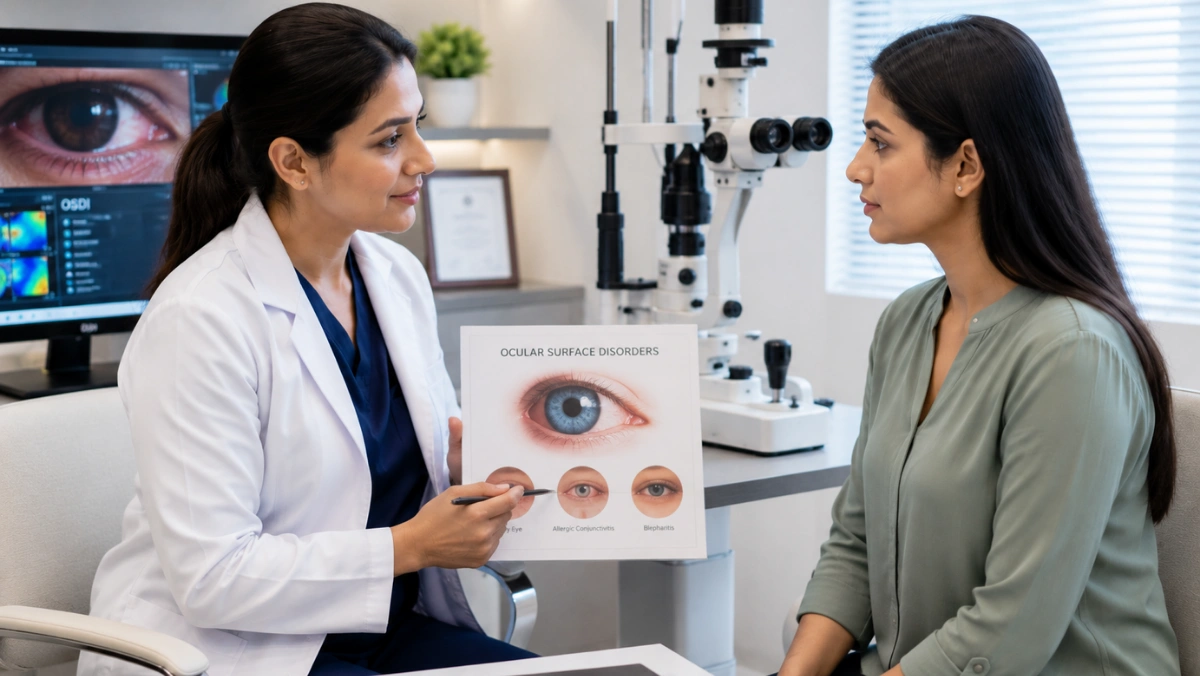
Ocular Surface Disorders -Common Symptoms and Treatment Options
Introduction
The surface of the eye plays a crucial role in maintaining clear vision and overall eye comfort. When this delicate system is disrupted, it can lead to a group of conditions known as ocular surface disorders. These disorders are common and can cause persistent irritation, redness, blurred vision, and discomfort that may interfere with daily activities. Although ocular surface disorders are often mistaken for minor eye irritation, untreated cases can significantly affect vision and quality of life. Early diagnosis and appropriate treatment can help relieve symptoms, protect the eye, and prevent long-term complications.
What Are Ocular Surface Disorders?
Ocular surface disorders are conditions that affect the outer structures of the eye, including the cornea, conjunctiva, eyelids, tear film, and meibomian glands. These components work together to keep the eyes lubricated, healthy, and protected from environmental damage. Common ocular surface disorders include:
- Dry eye disease
- Blepharitis
- Meibomian gland dysfunction (MGD)
- Allergic conjunctivitis
- Exposure keratopathy
- Ocular surface inflammation
Proper functioning of the tear film is essential for maintaining a healthy ocular surface.
Causes / Reasons
Several factors can contribute to ocular surface disorders, including:
- Aging
- Dry eye syndrome
- Prolonged screen time
- Environmental pollution
- Allergies
- Autoimmune diseases
- Contact lens overuse
- Eyelid inflammation
- Certain medications
- Previous eye surgery
Many patients experience symptoms due to a combination of these factors.
Symptoms / Signs
Common symptoms include:
- Dryness or grittiness
- Burning sensation
- Redness
- Watery eyes
- Blurred vision
- Eye fatigue
- Itching
- Sensitivity to light
- Foreign body sensation
- Difficulty wearing contact lenses
Symptoms often worsen after prolonged reading, computer use, or exposure to air conditioning and windy environments.
Why It Happens / Why It Matters
A healthy tear film protects the cornea and provides a smooth optical surface for clear vision. When tear production decreases or tears evaporate too quickly, the ocular surface becomes irritated and inflamed. Without proper treatment, ocular surface disorders may lead to:
- Chronic discomfort
- Recurrent eye infections
- Corneal damage
- Reduced visual quality
- Difficulty performing daily tasks
Early management helps preserve both comfort and vision.
Solutions / Treatment / Methods
Treatment depends on the underlying cause and severity of the condition. Common treatment options include:
- Artificial tears and lubricating eye drops
- Prescription anti-inflammatory eye drops
- Warm compresses for eyelid hygiene
- Treatment of meibomian gland dysfunction
- Allergy medications when appropriate
- Oral medications for certain inflammatory conditions
- Punctal plugs in selected dry eye cases
- Lifestyle modifications to reduce eye strain
Your ophthalmologist may also recommend specialized tests to evaluate tear production and the health of the ocular surface.
Who Should Consider Evaluation?
You should consult an eye specialist if you:
- Experience persistent dry eyes
- Have ongoing redness or irritation
- Notice blurred vision that improves with blinking
- Frequently use digital devices
- Wear contact lenses regularly
- Have autoimmune conditions affecting the eyes
Prompt evaluation helps identify the underlying cause and allows for targeted treatment.
Results / Benefits / Outcome
With appropriate treatment, many patients experience:
- Improved eye comfort
- Better tear stability
- Reduced redness and irritation
- Clearer vision
- Less dependence on frequent lubricating drops
- Improved quality of life
Long-term management often provides excellent symptom control and helps protect the ocular surface from further damage.
Tips / Prevention / Best Practices
To maintain a healthy ocular surface:
- Blink regularly during screen use.
- Follow the 20-20-20 rule to reduce digital eye strain.
- Stay hydrated.
- Use artificial tears if recommended.
- Maintain good eyelid hygiene.
- Wear sunglasses outdoors to protect against wind and UV rays.
- Avoid rubbing your eyes.
- Schedule regular comprehensive eye examinations.
Healthy daily habits can significantly reduce the risk of ocular surface problems.
Conclusion
Ocular surface disorders are common but highly manageable with early diagnosis and appropriate treatment. Whether caused by dry eye disease, eyelid inflammation, allergies, or other underlying conditions, these disorders can affect both comfort and vision if left untreated. By recognizing the symptoms early and seeking care from an experienced ophthalmologist, you can protect your eye health, improve visual quality, and enjoy greater comfort in your everyday life.
