LASIK Enhancement Surgery -When Is a Second Procedure Needed?
LASIK Enhancement Surgery -When Is a Second Procedure Needed?
Introduction
LASIK surgery has helped millions of people reduce or eliminate their dependence on glasses and contact lenses. While the procedure has a high success rate, a small number of patients may experience residual refractive error or changes in vision over time. In these cases, a second procedure, known as LASIK enhancement surgery, may be recommended. A LASIK enhancement is not considered a failure of the original surgery. Instead, it is a refinement procedure designed to improve visual outcomes when the initial correction does not fully meet the patient's needs. Understanding when an enhancement is appropriate can help patients make informed decisions about their long-term eye care.
What Is LASIK Enhancement Surgery?
LASIK enhancement surgery is a follow-up laser vision correction procedure performed after the initial LASIK operation. Its purpose is to fine-tune the vision by correcting any remaining refractive error, such as nearsightedness, farsightedness, or astigmatism. Before recommending an enhancement, the ophthalmologist ensures that the patient's vision has stabilized and that the cornea is healthy enough for an additional laser treatment.
Causes / Reasons
A second LASIK procedure may be needed due to:
- Residual nearsightedness (myopia)
- Residual farsightedness (hyperopia)
- Remaining astigmatism
- Natural healing variations
- Minor regression of vision over time
- Age-related changes affecting vision
These situations are uncommon but can occur even after a successful primary LASIK procedure.
Symptoms / Signs
You may be a candidate for LASIK enhancement if you experience:
- Blurred distance vision
- Difficulty reading road signs
- Increased dependence on glasses after LASIK
- Persistent refractive error
- Night vision problems
- Glare or halos affecting daily activities
Your eye specialist will perform detailed testing to determine whether these symptoms are caused by residual refractive error or another eye condition.
Why It Happens / Why It Matters
Every eye heals differently after LASIK surgery. While most patients achieve excellent vision, a small percentage may experience slight changes during the healing process or gradual regression over time. An enhancement procedure helps optimize vision, improving visual clarity and reducing the need for corrective lenses. However, not every patient is a suitable candidate. Corneal thickness, overall eye health, and vision stability must all be carefully evaluated before proceeding.
Solutions / Treatment / Methods
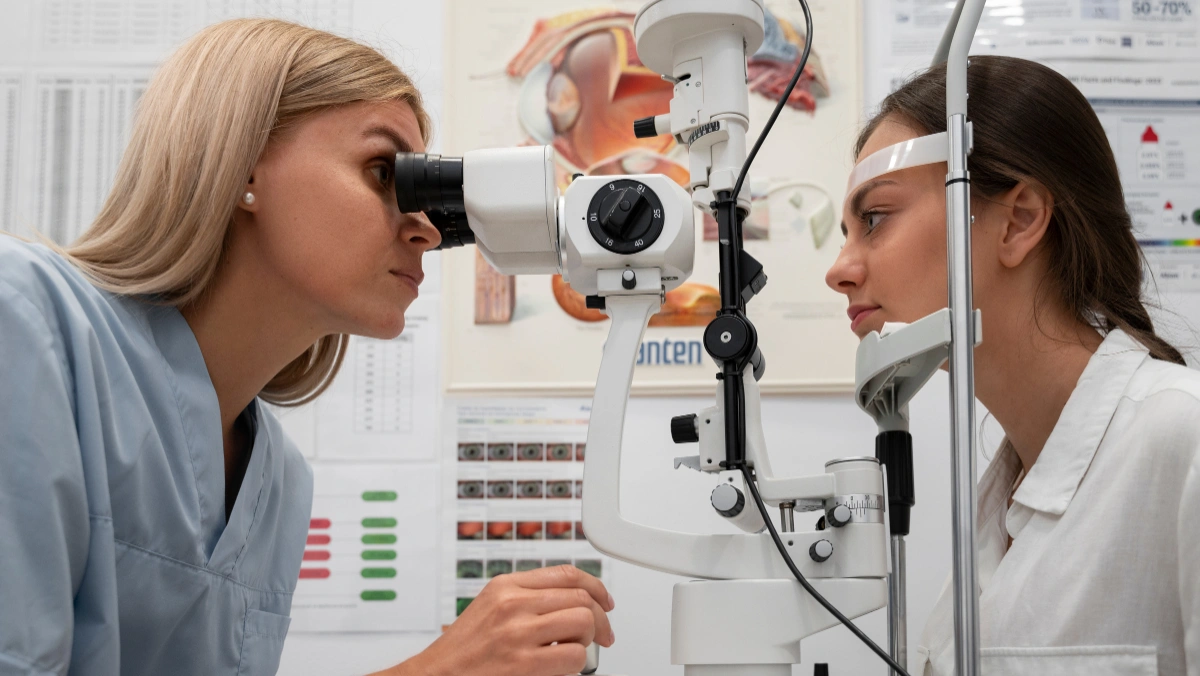
The evaluation process usually includes:
- Comprehensive eye examination
- Vision testing
- Corneal thickness measurement
- Corneal topography
- Tear film assessment
- Review of previous LASIK records
If an enhancement is appropriate, the procedure may involve:
- Lifting the original LASIK flap (when suitable)
- Performing additional laser correction
- Creating a new treatment plan if necessary
The procedure is typically quick and performed on an outpatient basis. Recovery generally includes:
- Mild discomfort for a few hours
- Temporary blurry vision
- Use of prescribed eye drops
- Follow-up visits to monitor healing
Many patients notice improved vision within a few days.
Who Should Consider This?
LASIK enhancement may be suitable for individuals who:
- Have stable vision after the original LASIK surgery
- Continue to have significant refractive error
- Have healthy corneas
- Have sufficient corneal thickness
- Have realistic expectations
Your ophthalmologist will determine whether an enhancement or another vision correction option is more appropriate.
Results / Benefits / Outcome
When performed on carefully selected patients, LASIK enhancement can provide:
- Sharper vision
- Reduced dependence on glasses
- Improved distance vision
- Better visual quality
- Enhanced confidence in daily activities
- Long-lasting visual improvement
Success depends on careful patient selection and thorough pre-operative evaluation.
Tips / Prevention / Best Practices
To maintain good vision after LASIK:
- Attend all scheduled follow-up appointments.
- Protect your eyes from injury.
- Avoid rubbing your eyes.
- Use lubricating eye drops if recommended.
- Schedule regular eye examinations.
- Report any changes in vision promptly.
Following your ophthalmologist's advice helps preserve your visual results over the long term.
Conclusion
LASIK enhancement surgery is a safe and effective option for patients who require additional vision correction after their initial LASIK procedure. Although most individuals achieve excellent results with a single surgery, a small number may benefit from a second treatment to fine-tune their vision. If you notice changes in your eyesight after LASIK, consult an experienced ophthalmologist for a comprehensive evaluation. With proper assessment and treatment, LASIK enhancement can help you enjoy clearer, more comfortable vision for years to come.
