Hair Transplant for Alopecia Areata -Is Surgery Recommended?
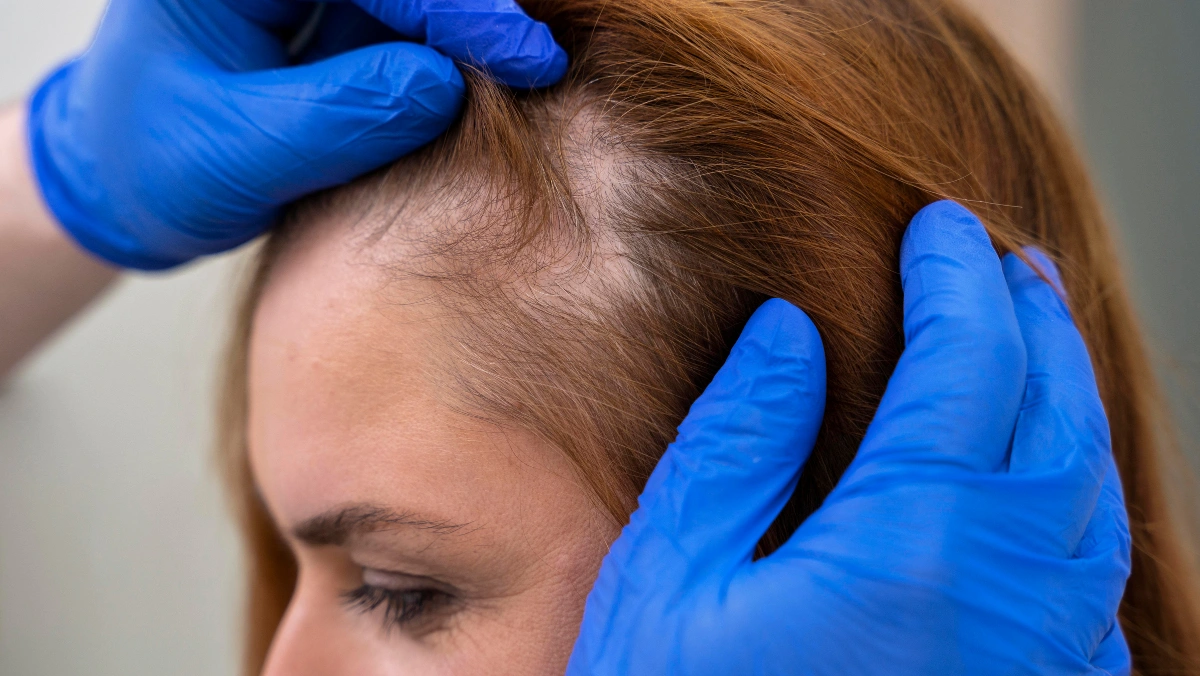
Hair Transplant for Alopecia Areata -Is Surgery Recommended?
Introduction
Hair loss can have a significant impact on confidence and emotional well-being. While a hair transplant is a popular solution for conditions like male and female pattern baldness, it is not suitable for every type of hair loss. One condition that often raises questions is alopecia areata, an autoimmune disorder that causes sudden, patchy hair loss. Many people with alopecia areata wonder whether a hair transplant can permanently restore their hair. The answer depends on the activity of the disease, the stability of hair loss, and individual medical factors. Understanding the nature of alopecia areata is essential before considering surgical treatment.
What Is Alopecia Areata?
Alopecia areata is an autoimmune condition in which the body's immune system mistakenly attacks healthy hair follicles, leading to sudden hair loss. The condition commonly appears as smooth, round patches on the scalp but can also affect the beard, eyebrows, eyelashes, and other parts of the body. Unlike genetic hair loss, alopecia areata is unpredictable. Hair may regrow naturally, fall out again, or remain absent for an extended period.
Causes / Reasons
The exact cause of alopecia areata is not fully understood, but several factors are believed to contribute, including:
- Autoimmune disorders
- Family history of autoimmune diseases
- Genetic predisposition
- Emotional or physical stress (possible trigger)
- Other immune-related conditions
Since the immune system targets hair follicles, the condition behaves differently from common pattern baldness.
Symptoms / Signs
Common symptoms of alopecia areata include:
- Round or oval bald patches
- Sudden hair loss
- Smooth skin in affected areas
- Hair loss in the beard or eyebrows
- Nail changes in some individuals
- Hair regrowth followed by recurring hair loss
The condition may remain limited to a few patches or progress to more extensive hair loss.
Why It Happens / Why It Matters
Unlike androgenetic alopecia, where hair follicles gradually shrink, hair follicles affected by alopecia areata remain alive but become inactive due to the immune system's attack. If a hair transplant is performed while the disease is still active, the immune system may also attack the transplanted follicles. This can result in poor graft survival and unsatisfactory outcomes. For this reason, surgeons carefully evaluate whether the condition has remained stable before recommending surgery.
Solutions / Treatment / Methods
Hair transplantation is generally not the first-line treatment for active alopecia areata. Initial treatment may include:
- Corticosteroid injections
- Topical medications
- Oral medications when appropriate
- Immunotherapy
- Other treatments recommended by a dermatologist
A hair transplant may only be considered when:
- The disease has remained inactive for an extended period.
- No new patches have developed.
- Medical therapy has successfully stabilized the condition.
- The patient has realistic expectations.
Before recommending surgery, specialists typically perform a thorough scalp examination and review the patient's medical history.
Who Should Consider This?
A hair transplant may be considered for individuals who:
- Have stable, inactive alopecia areata
- Have experienced no disease progression for a significant period
- Have adequate donor hair
- Are in good overall health
- Have been evaluated by both a dermatologist and a hair transplant surgeon
Patients with active or frequently recurring alopecia areata are generally advised to postpone surgery until the condition is well controlled.
Results / Benefits / Outcome
When carefully selected, suitable candidates may experience:
- Natural-looking hair restoration
- Improved scalp coverage
- Enhanced confidence
- Long-lasting results if the disease remains inactive
However, because alopecia areata is an autoimmune condition, there is always a possibility of future disease recurrence, which should be discussed before surgery.
Tips / Prevention / Best Practices
To achieve the best outcome:
- Consult a dermatologist before considering surgery.
- Ensure the disease is medically stable.
- Choose an experienced hair transplant surgeon.
- Continue recommended medical treatment.
- Attend regular follow-up appointments.
- Maintain a healthy lifestyle to support overall well-being.
A personalized treatment plan provides the greatest chance of success.
Conclusion
Hair transplantation for alopecia areata is possible in carefully selected cases, but it is not recommended for patients with active disease. Since alopecia areata is an autoimmune condition, controlling the disease is the first priority before considering surgery. A thorough evaluation by a dermatologist and an experienced hair transplant surgeon can help determine whether you are a suitable candidate. With proper timing, realistic expectations, and expert care, some patients can achieve successful and natural-looking hair restoration.
