Facial Fillers vs. Fat Transfer – Which Is Better for Long-Lasting Volume Restoration?
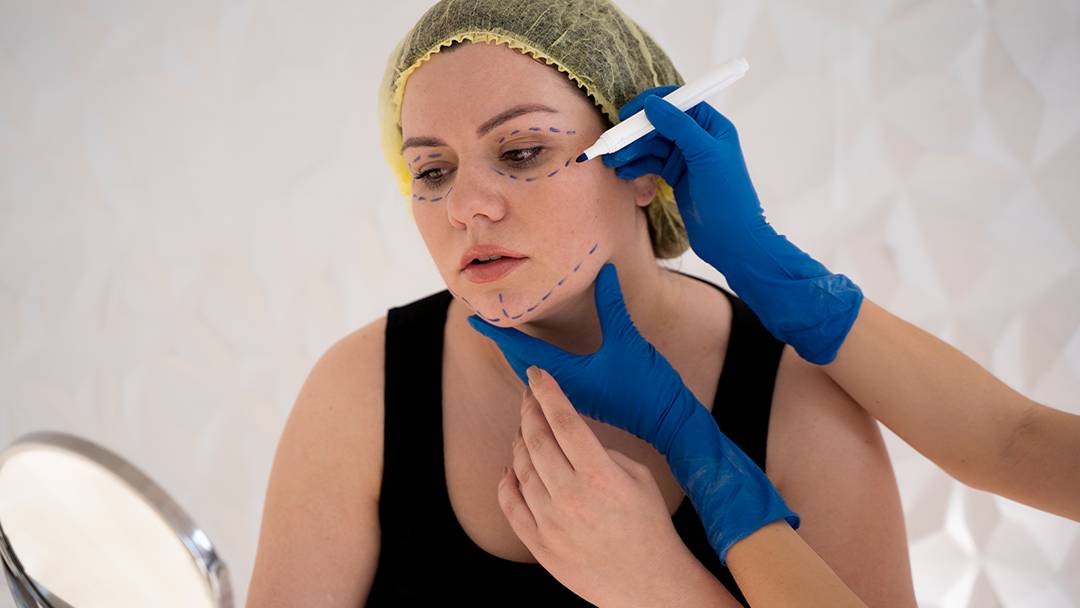
Facial Fillers vs. Fat Transfer – Which Is Better for Long-Lasting Volume Restoration?
Introduction
A youthful face is defined by natural contours, soft fullness in the cheeks, and smooth skin. With age, collagen and fat beneath the skin diminish, leading to sagging, hollow cheeks, and fine lines.
At Luxor Hospital, two popular options to restore facial volume are dermal fillers and fat transfer. Both can rejuvenate your appearance, but they differ in technique, longevity, and suitability.
Understanding Facial Volume Loss
Aging, weight fluctuations, sun exposure, and genetics can reduce fat and collagen in facial tissues. As a result, the face looks tired, with:
-
Hollow cheeks or temples
-
Deeper smile lines and folds
-
Thinner lips
-
Less definition in the jawline
Volume restoration treatments help bring back youthful contours and improve skin texture.
What Are Facial Fillers?
Dermal fillers are injectable gels made of substances like hyaluronic acid. They restore volume, smooth wrinkles, and enhance features such as lips or under-eye hollows.
Key Points
-
Minimally invasive: Quick in-clinic procedure
-
Immediate results: Visible after injection
-
Adjustable: Can be topped up or dissolved if needed
-
Longevity: Results typically last 6–18 months, depending on the product and treatment area
What Is Fat Transfer?
Fat grafting or fat transfer involves harvesting fat from your own body (often from the abdomen or thighs), processing it, and injecting it into areas needing volume.
Key Points
-
Natural option: Uses your own fat cells
-
Dual benefit: Improves donor site contour and restores facial volume
-
Long-lasting: Surviving fat cells can last for years
Gradual results: Some of the injected fat is reabsorbed in the first few months
Comparing Fillers and Fat Transfer
At Luxor Hospital, our specialists guide you in choosing the right option based on your facial structure, age, lifestyle, and desired outcomes.
The Treatment Journey at Luxor Hospital
Step 1: Consultation & Planning
Detailed assessment of facial anatomy and goals to
recommend fillers or fat transfer.
Step 2: Treatment Day
-
Fillers: Simple in-office procedure, usually done in under an hour.
-
Fat Transfer: Harvested from a donor area under local anesthesia, processed, and reinjected with precision.
Step 3: Recovery & Follow-Up
-
Fillers often require no downtime.
-
Fat transfer patients may experience mild swelling or bruising for a few days.
Follow-up visits ensure the best long-term results.
Benefits of Choosing Luxor Hospital
-
Experienced aesthetic surgeons and dermatologists
-
State-of-the-art equipment and sterile facilities
-
Personalized treatment plans for natural-looking outcomes
-
Focus on patient safety and comfort
-
Transparent pricing with dedicated aftercare support
Conclusion
Both facial fillers and fat transfer can successfully rejuvenate the face, but the right choice depends on your goals and needs.
If you seek quick, reversible results, fillers may be ideal. If you prefer a longer-lasting, natural solution, fat transfer can be more suitable.
At Luxor Hospital, our specialists provide honest guidance and advanced treatments to restore youthful contours and confidence. Book a consultation today to discover the best option for you.
