Earlobe Keloids -Treatment Options After Ear Piercing
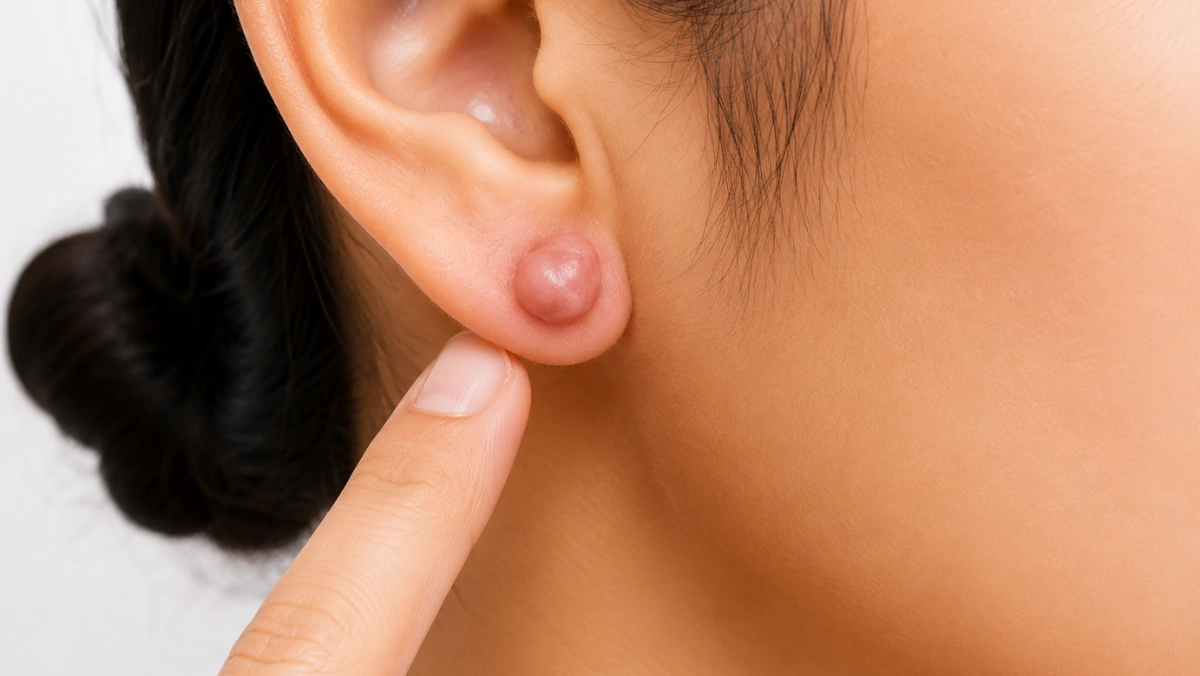
Earlobe Keloids -Treatment Options After Ear Piercing
Introduction
Ear piercing is a common cosmetic practice, but in some individuals, the healing process can lead to an excessive buildup of scar tissue known as a keloid. Unlike a normal scar, a keloid continues to grow beyond the original wound, creating a raised, firm, and sometimes uncomfortable lump on the earlobe.
Earlobe keloids are harmless but can become a cosmetic concern or cause itching, tenderness, and self-consciousness. Fortunately, several effective treatment options are available to reduce their size and lower the risk of recurrence. Early diagnosis and appropriate treatment provide the best outcomes.
What Is an Earlobe Keloid?
An earlobe keloid is an overgrowth of scar tissue that develops after the skin has healed from an injury such as ear piercing, surgery, burns, or trauma. It forms when the body produces excess collagen during the healing process. Unlike normal scars, keloids extend beyond the boundaries of the original wound and may continue to enlarge over time.
Causes / Reasons
Several factors increase the likelihood of developing earlobe keloids, including:
- Ear piercing
- Previous keloid formation
- Family history of keloids
- Darker skin tones
- Skin injuries or trauma
- Surgical procedures involving the ear
Not everyone who gets their ears pierced develops a keloid. Genetics play a significant role in determining who is more susceptible.
Symptoms / Signs
Common signs of an earlobe keloid include:
- Raised, firm lump on the earlobe
- Growth beyond the original piercing site
- Smooth, shiny surface
- Pink, red, or darker skin color
- Itching or tenderness
- Cosmetic enlargement over time
Some keloids remain small, while others gradually increase in size if left untreated.
Why It Happens / Why It Matters
During normal wound healing, the body produces collagen to repair damaged skin. In individuals prone to keloids, collagen production continues even after the wound has healed, leading to excessive scar tissue formation. Although earlobe keloids are not cancerous, they can:
- Continue growing over time
- Cause discomfort or itching
- Make wearing earrings difficult
- Affect self-confidence
- Recur after treatment if not properly managed
Because recurrence is common, treatment often involves a combination of therapies rather than surgery alone.
Solutions / Treatment / Methods
Treatment depends on the size, location, and history of the keloid. Common treatment options include:
- Corticosteroid injections to reduce scar tissue
- Surgical removal of the keloid
- Pressure earrings after surgery
- Silicone gel sheets or silicone dressings
- Cryotherapy (freezing therapy) for selected cases
- Laser treatment to improve appearance and reduce redness
- Radiation therapy in carefully selected recurrent cases
For larger keloids, surgeons often combine surgical excision with steroid injections or pressure therapy to reduce the chance of recurrence.
Who Should Consider Treatment?
Treatment may be recommended for individuals who:
- Have a growing earlobe keloid
- Experience pain or itching
- Have difficulty wearing earrings
- Feel self-conscious about the appearance
- Have recurrent keloids after previous treatment
A consultation with a dermatologist or plastic surgeon can help determine the most effective treatment plan.
Results / Benefits / Outcome
With appropriate treatment, patients may experience:
- Smaller or completely removed keloids
- Improved earlobe appearance
- Reduced itching and discomfort
- Better confidence
- Lower recurrence risk when combination therapy is used
Although no treatment can guarantee that a keloid will never return, combining therapies significantly improves long-term success.
Tips / Prevention / Best Practices
To reduce the risk of developing or recurring earlobe keloids:
- Choose professional ear piercing services.
- Keep the piercing site clean during healing.
- Avoid unnecessary ear trauma.
- Inform your doctor if you have a history of keloids before getting piercings or surgery.
- Follow all post-treatment instructions carefully.
- Wear pressure earrings if recommended after surgery.
- Attend regular follow-up appointments.
Early treatment often leads to better cosmetic results and reduces the likelihood of recurrence.
Conclusion
Earlobe keloids are a common complication of ear piercing in people who are prone to excessive scar formation. While they are not harmful, they can continue to grow and affect both comfort and appearance. Modern treatments, including steroid injections, surgical removal, silicone therapy, and pressure earrings, can effectively manage earlobe keloids and reduce the risk of recurrence. If you notice a raised scar developing after an ear piercing, consult an experienced dermatologist or plastic surgeon for early evaluation and a personalized treatment plan.
