Chemical Peels for Melasma -Which Peel Works Best?
Chemical Peels for Melasma -Which Peel Works Best?
Introduction
Melasma is a common skin condition that causes brown or grayish patches on the face, especially on the cheeks, forehead, nose, and upper lip. It often develops due to hormonal changes, sun exposure, or genetic factors. Although melasma is not harmful, it can be difficult to treat and may affect self-confidence. Among the many treatment options available, chemical peels are widely used to improve skin tone and reduce pigmentation. However, not every chemical peel is suitable for melasma. Choosing the right type of peel under the guidance of a qualified dermatologist is essential for achieving safe and effective results.
What Are Chemical Peels?
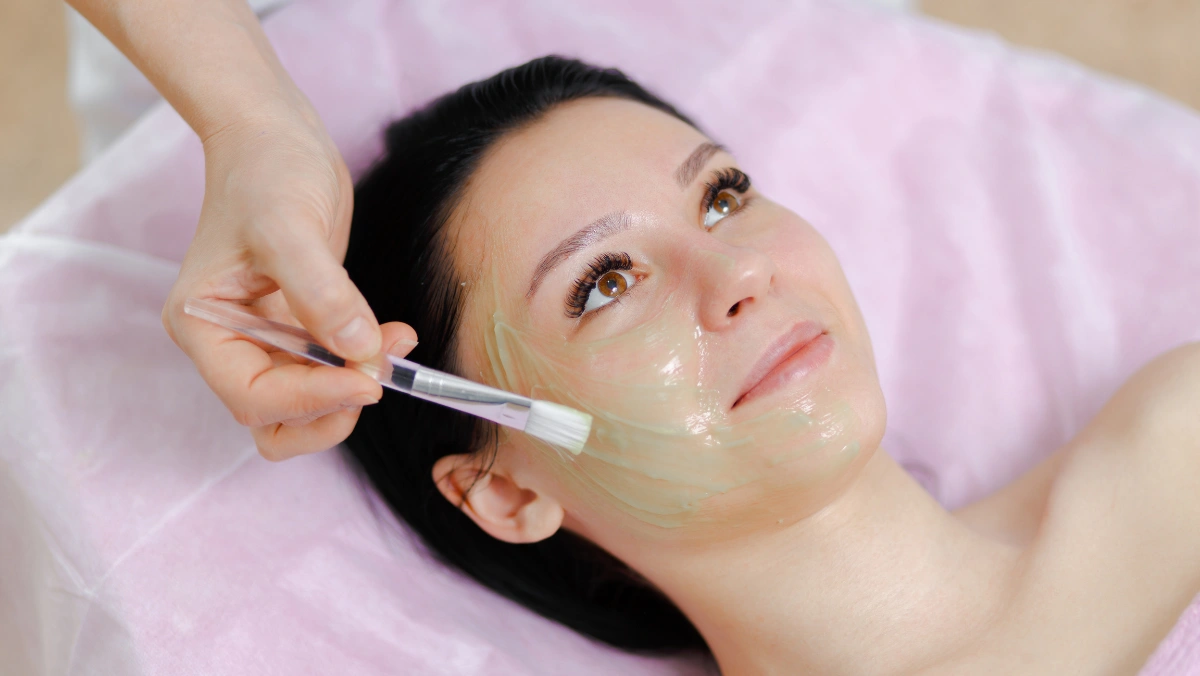
A chemical peel is a skin resurfacing treatment that uses a specially formulated chemical solution to exfoliate the outer layers of the skin. As the damaged skin peels away, new skin cells emerge, resulting in a smoother, brighter, and more even complexion. For melasma, dermatologists typically recommend superficial or medium-depth peels that target excess pigmentation while minimizing the risk of irritation.
Causes / Reasons
Melasma can develop due to several factors, including:
- Prolonged sun exposure
- Hormonal changes during pregnancy
- Birth control pills or hormone therapy
- Genetic predisposition
- Heat exposure
- Certain skincare products causing irritation
Since ultraviolet (UV) rays stimulate pigment production, sun protection is an important part of melasma treatment.
Symptoms / Signs
Common signs of melasma include:
- Brown or gray-brown patches on the face
- Symmetrical pigmentation on both cheeks
- Dark patches on the forehead
- Pigmentation above the upper lip
- Uneven skin tone
- Gradually worsening discoloration with sun exposure
Melasma usually develops slowly and does not cause pain or itching.
Why It Happens / Why It Matters
Melasma occurs when melanocytes, the skin's pigment-producing cells, produce excess melanin. This overproduction is often triggered by hormones and worsened by UV exposure. Treating melasma can be challenging because the pigment often extends deeper into the skin. Using the wrong treatment or undergoing aggressive procedures may worsen pigmentation, particularly in individuals with darker skin tones. Professional evaluation helps determine the safest and most effective treatment approach.
Solutions / Treatment / Methods
Several types of chemical peels may help improve melasma.
Glycolic Acid Peel
- One of the most commonly used peels
- Gently exfoliates the skin
- Helps reduce superficial pigmentation
- Suitable for many skin types
Lactic Acid Peel
- Mild and gentle
- Ideal for sensitive skin
- Improves skin texture while reducing pigmentation
Salicylic Acid Peel
- Useful for oily or acne-prone skin
- May improve uneven skin tone in selected patients
Mandelic Acid Peel
- Gentle on darker skin tones
- Lower risk of post-inflammatory pigmentation
- Helps brighten the complexion
Combination Peels
Dermatologists may recommend customized combination peels along with topical medications such as hydroquinone, azelaic acid, kojic acid, or retinoids for enhanced results. Multiple treatment sessions are often needed because melasma develops gradually and responds best to a comprehensive treatment plan.
Who Should Consider This?
Chemical peels may be suitable for individuals who:
- Have mild to moderate melasma
- Want a non-surgical skin rejuvenation treatment
- Are committed to daily sun protection
- Have realistic expectations
- Have been evaluated by a qualified dermatologist
Not every patient is a candidate, especially those with active skin infections or certain inflammatory skin conditions.
Results / Benefits / Outcome
When performed correctly, chemical peels can provide:
- Brighter complexion
- Reduced pigmentation
- More even skin tone
- Improved skin texture
- Enhanced effectiveness of topical skincare products
- Increased confidence
Results are gradual and often improve with a combination of professional treatments and home skincare.
Tips / Prevention / Best Practices
To maintain your results:
- Apply broad-spectrum sunscreen every day.
- Wear a wide-brimmed hat when outdoors.
- Avoid excessive sun exposure.
- Follow your dermatologist's skincare routine.
- Do not pick or scrub peeling skin.
- Attend follow-up appointments as recommended.
Consistent sun protection is the most important step in preventing melasma from recurring.
Conclusion
Chemical peels can be an effective treatment for melasma when selected according to your skin type and pigmentation pattern. Options such as glycolic acid, lactic acid, mandelic acid, and customized combination peels can improve skin tone while reducing discoloration. However, the best results are achieved when chemical peels are combined with proper skincare and strict sun protection. Consulting an experienced dermatologist ensures a personalized treatment plan that safely addresses melasma and helps maintain a brighter, more even complexion over the long term.
